
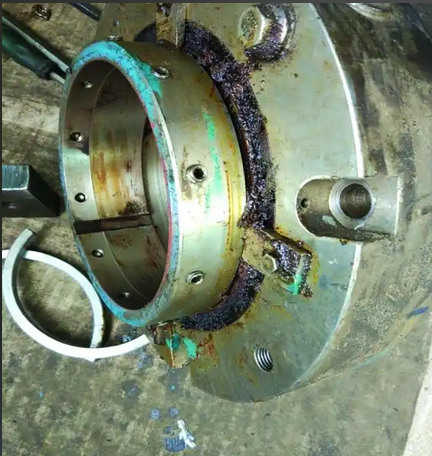
The causes of mechanical seal failure are complex and diverse, and can generally be categorized into four main types: improper design selection, installation and assembly errors, abnormal operating conditions, and material failure or corrosion.
Design Selection and Manufacturing Causes
Defects in the design or manufacturing stages are important causes of early seal failure.
1.Incorrect Design Selection: For example, the mismatch of seal type (such as balanced vs. unbalanced) with operating pressure, or incorrect end-face pressure calculations leading to excessive pressure (causing overheating) or insufficient pressure (resulting in poor sealing).
2.Inappropriate Material Matching: The seal material is incompatible with the medium’s characteristics (such as temperature, corrosiveness, and particle content). For instance, carbon graphite rings will undergo resin carbonization if they exceed their maximum allowable temperature, and fluoroelastomers will undergo amine decomposition in amine-containing media.
3.Insufficient Mechanical Processing Accuracy: Poor surface roughness of the shaft, excessive shaft runout, etc., can accelerate seal wear or cause the dynamic ring to wobble.
Installation and Assembly Errors
Improper installation is one of the most common causes of seal failure.
1.Poor Assembly Accuracy: Misalignment of the shaft, incorrect seal positioning, skewed gland, misalignment of the dynamic/static rings, or improper compression leads to uneven loading on the sealing surface.
2.Improper Operation: Contaminating the seal face with grease containing particles during installation, excessive bolt preload, or failure to follow proper installation procedures (such as touching the seal face with bare hands).
3.Installing New Seals on Worn Pump Bodies: Shafts or shaft sleeves with scratches, bent pump shafts, or old bearings can directly damage the new seal or cause vibration.
Operating Conditions and Environmental Factors
Abnormal external conditions during seal operation are direct triggers for failure.
1.Lubrication and Cooling Failure: This is the most common issue.
1)Dry Runnng: When the pressure in the seal chamber is lower than the saturated vapor pressure of the medium, or when there is no liquid in the chamber during startup, causing dry friction and sudden high temperatures.
2)Insufficient Cooling or Incorrect Flushing Scheme: This leads to the seal chamber temperature exceeding the material’s tolerance limit.
2.Solid Particles in the Medium: Particles entering the sealing surface act as abrasives, causing severe wear. The higher the concentration and hardness of the particles, the more severe the wear.
3.Vibration and Impact: This includes mechanical impacts (such as bearing damage, cavitation, excessive torque, misalignment of the shaft) and thermal shocks (sudden temperature changes), which can damage the seal gap or cause cracking of components.
4.Abnormal Pressure: Excessive seal chamber pressure can cause deformation of the sealing surface or edge cracking; sudden pressure release in the system can cause seal extrusion.
5.Chemical Erosion: The medium or flushing liquid reacts chemically with the seal material, causing pitting, component corrosion, or swelling and aging of the O-rings.