blogs

1

Performance Comparison Between Tandem Dry Gas Seals and Tandem Mechanical Seals

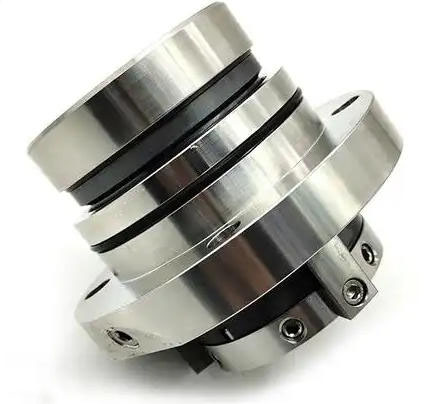
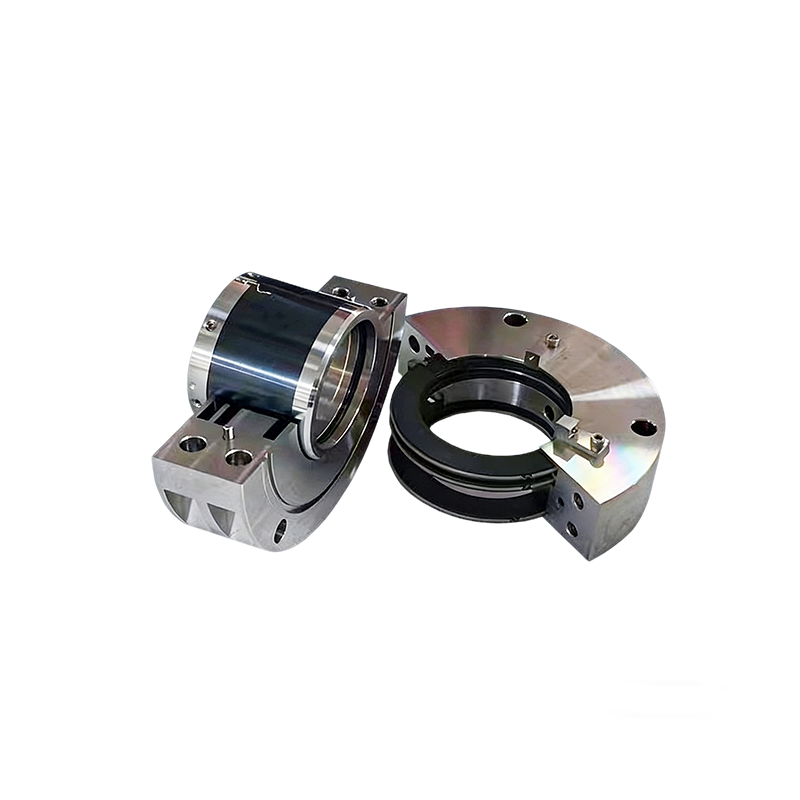
This comparison shows that tandem mechanical seals involve higher system complexity, operating consumption, and maintenance workload, often resulting in oil contamination and poorer on-site conditions. In contrast, dry gas seals provide lower overall consumption, simpler operation, cleaner environments, and high safety and reliability, making them a more efficient and environmentally friendly sealing solution.

Performance Comparison Between Tandem Dry Gas Seals and Tandem Mechanical Seals Read More »

kgj mechanical seal

Comparison between Dual Dry Gas Seals and Dual Mechanical Seals

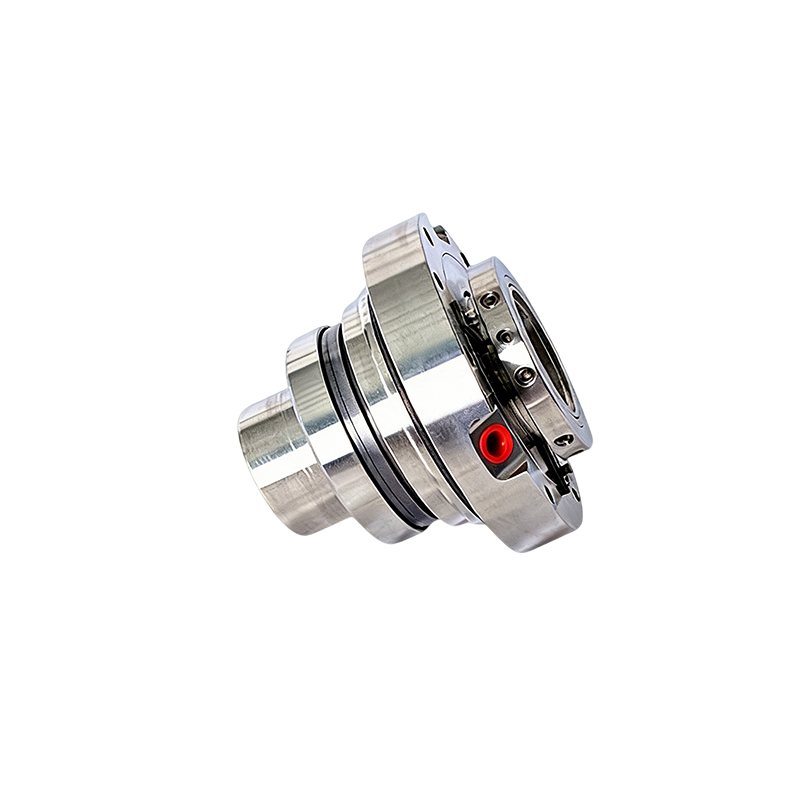
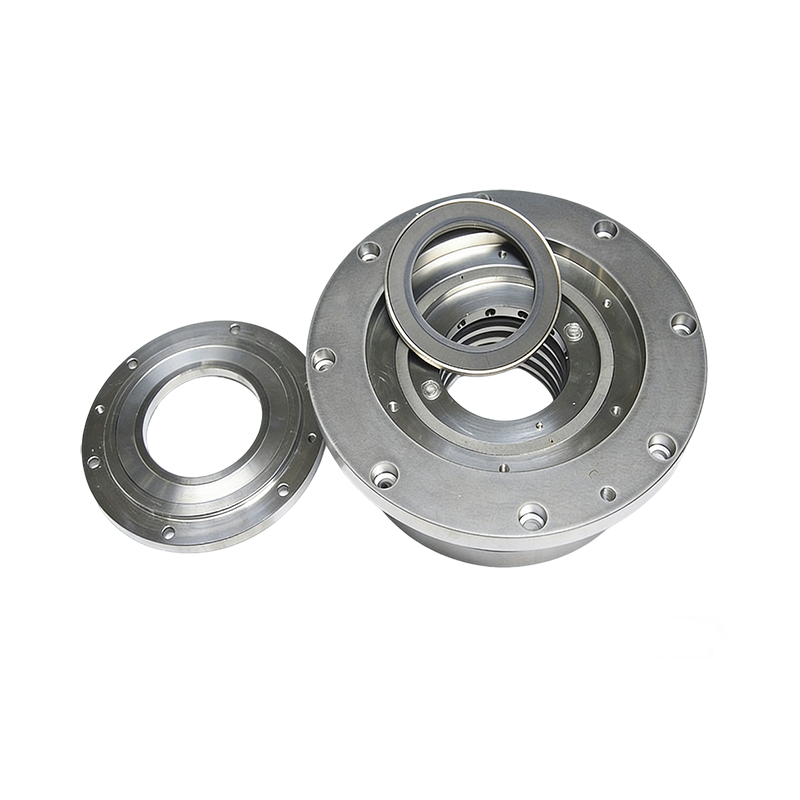
Dry gas seals use pressurized nitrogen to isolate hazardous media and prevent leakage to the atmosphere, offering high safety, environmental protection, low power consumption, and long service life. In contrast, oil-lubricated mechanical seals require more complex auxiliary systems and maintenance, have shorter service life, and may cause minor environmental contamination from sealing oil leakage.

Comparison between Dual Dry Gas Seals and Dual Mechanical Seals Read More »

figure 1

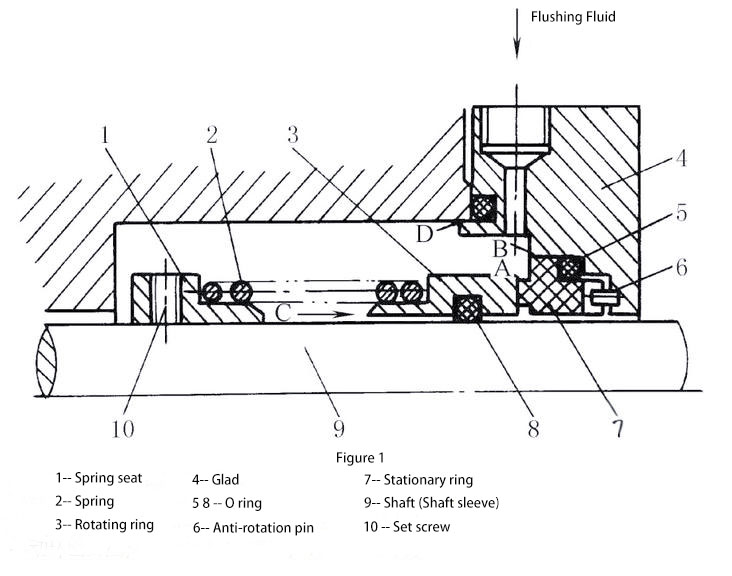
Mechanical Seal Structure

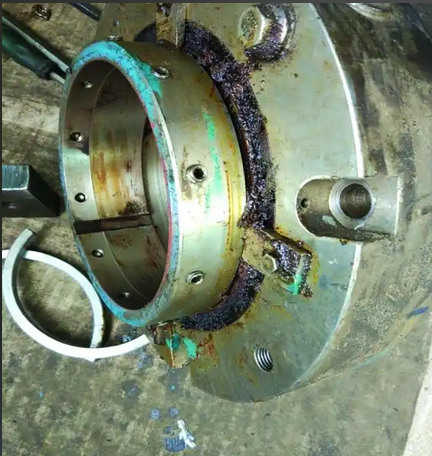
A mechanical seal mainly consists of one or several pairs of rotating rings and stationary rings, which together form a pair of friction surfaces.Through elastic components, such as springs or bellows, together with the pressure of the sealing fluid, an appropriate closing force is generated between the contact surfaces (seal faces) of the rotating ring and the stationary ring. This force allows the two seal faces to remain in close contact with each other.

Mechanical Seal Structure Read More »

honeycomb seal

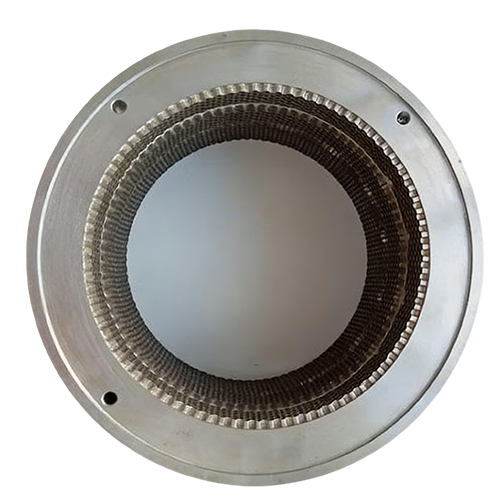
Honeycomb Seals

Honeycomb seal technology is an advanced sealing solution originally developed by the aerospace industry for high-temperature and high-pressure-differential operating conditions.

Honeycomb Seals Read More »