News & Blogs

dry gas seal for compressor

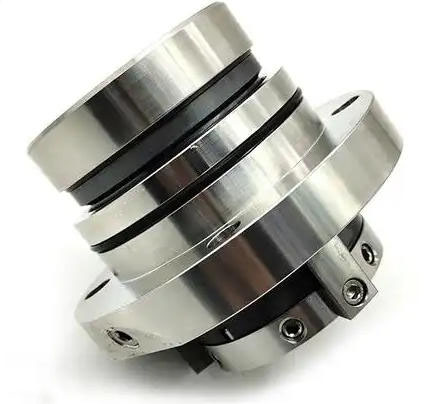
Dry Gas Seals for Centrifugal Compressors: Principles, Advantages, Types, and Selection

Dry gas seals have become the mainstream sealing technology for centrifugal compressors due to their outstanding performance and reliability. They not only effectively prevent gas leakage and ensure stable compressor operation but also perform well under demanding operating conditions, helping extend equipment service life.

Dry Gas Seals for Centrifugal Compressors: Principles, Advantages, Types, and Selection Read More »

mechanical assembly

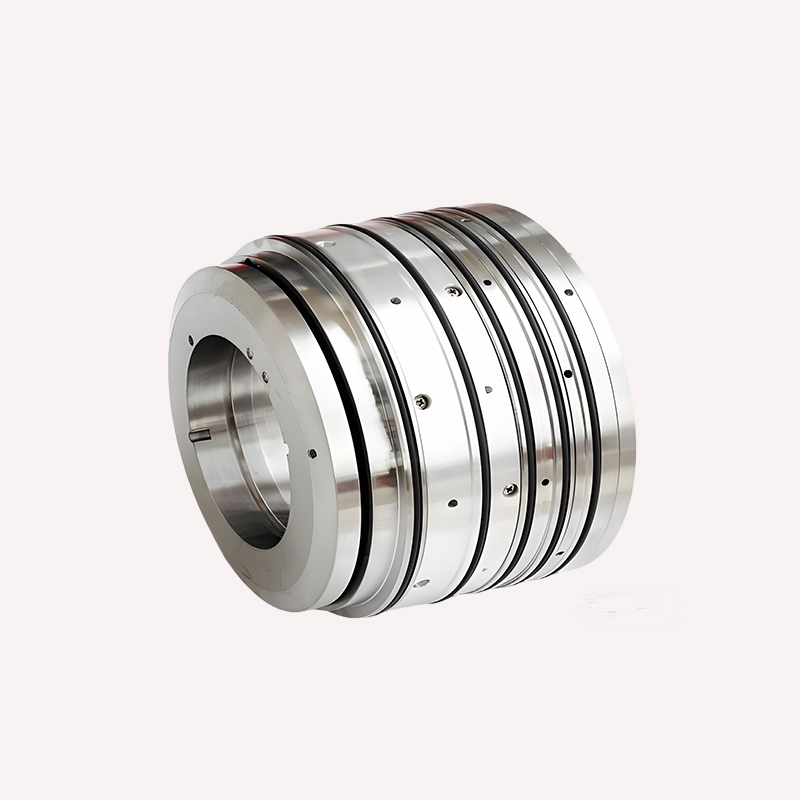
The Four Main Causes of Mechanical Seal Failure

Mechanical seal failure is mainly caused by lubrication loss, corrosion, high temperature, and seal face wear. Dry friction, liquid film vaporization, corrosive media, and thermal cracking can seriously damage seal components. In addition, abrasive particles, improper operating conditions, and unsuitable balance ratios may accelerate wear, reduce sealing reliability, and shorten service life.

The Four Main Causes of Mechanical Seal Failure Read More »

dgs d

What causes dry gas seal failure?

Dry gas seal failures are mainly caused by poor seal gas quality, improper operation, vibration, and installation issues. Liquid or contaminants entering the seal gas can destroy the gas film and damage seal faces. Proper filtration, correct operating procedures, stable equipment conditions, and reliable auxiliary systems are essential for ensuring long-term seal performance and reliability.

What causes dry gas seal failure? Read More »

图1

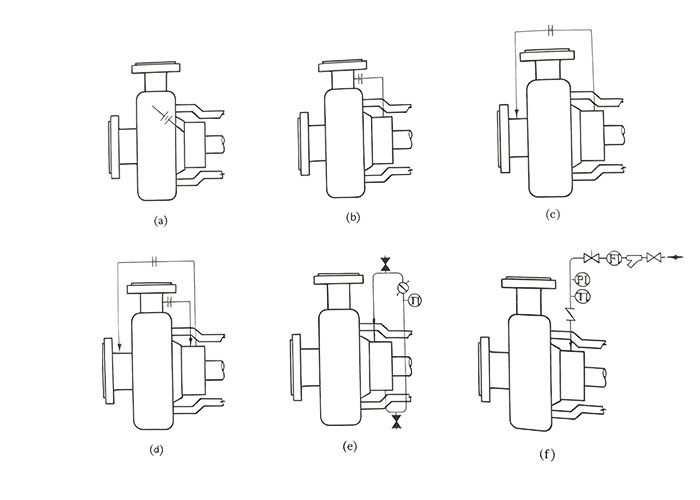
Mechanical Seal Flushing Methods Based on Flow Direction and Fluid Source

Mechanical seal flushing methods can be classified according to flushing direction and fluid source. Common arrangements include self-flushing, external flushing, reverse flushing, through flushing, and circulation flushing. Different flushing systems help improve seal lubrication, cooling performance, and operational reliability under various working conditions.

Mechanical Seal Flushing Methods Based on Flow Direction and Fluid Source Read More »

pump mechanical seal

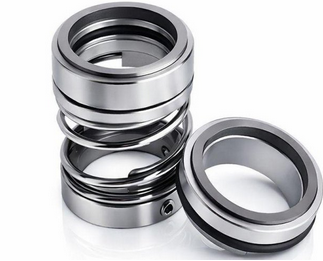
Complete Guide to Pump Mechanical Seals: Structure, Working Principle, Types, Selection, and Maintenance Key Points

Pump mechanical seals have become critical components in industrial pumps due to their high efficiency and reliability. Understanding their working principles and maintenance requirements helps optimize pump system performance and reduce downtime losses. With the continuous advancement of materials and manufacturing technologies, mechanical seals will play an increasingly important role in more demanding operating conditions.

Complete Guide to Pump Mechanical Seals: Structure, Working Principle, Types, Selection, and Maintenance Key Points Read More »

mental bellows seal

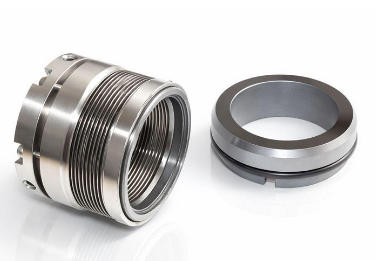
Five Key Technical Considerations for Selection

This article systematically presents the key selection criteria for metal bellows mechanical seals, analyzing them from multiple dimensions, including medium characteristics, operating conditions, material compatibility, structural optimization, and installation and maintenance, with particular consideration given to corrosive media, high-temperature and high-pressure environments, and particle impact conditions.

Five Key Technical Considerations for Selection Read More »

1

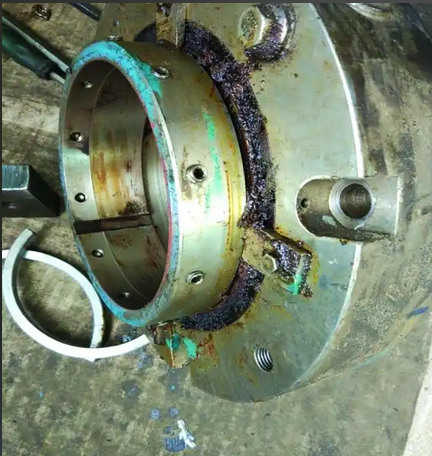
Performance Comparison Between Tandem Dry Gas Seals and Tandem Mechanical Seals

This comparison shows that tandem mechanical seals involve higher system complexity, operating consumption, and maintenance workload, often resulting in oil contamination and poorer on-site conditions. In contrast, dry gas seals provide lower overall consumption, simpler operation, cleaner environments, and high safety and reliability, making them a more efficient and environmentally friendly sealing solution.

Performance Comparison Between Tandem Dry Gas Seals and Tandem Mechanical Seals Read More »