, ,

API PLAN 52

Features

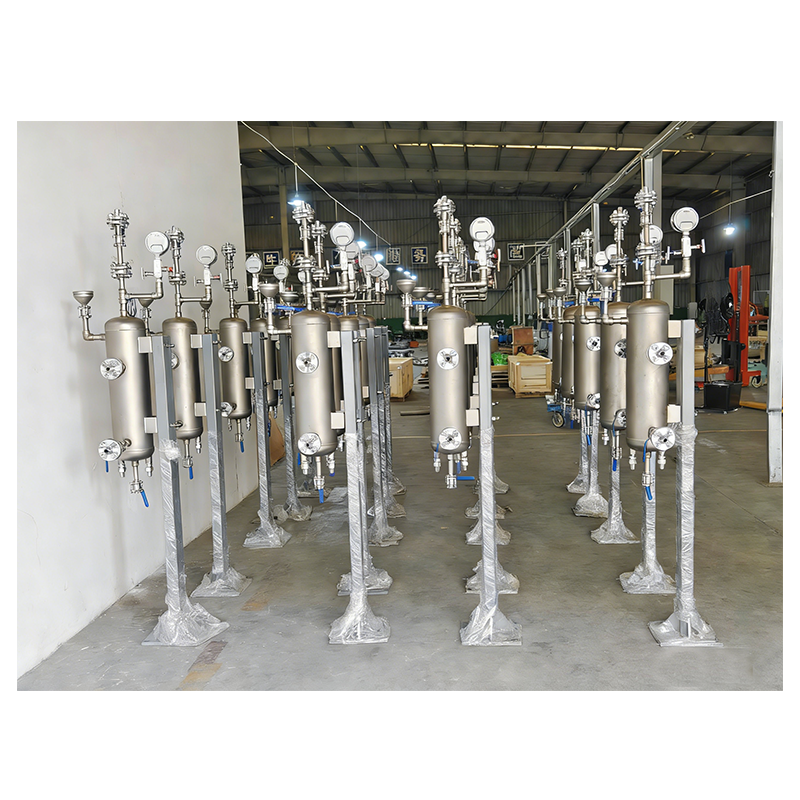
A clean, normally non-pressurized liquid is held in a separate reservoir and circulated within the cavity formed by the dual mechanical seals.

This liquid serves to lubricate and remove heat from the outboard seal, thereby limiting wear and improving overall seal durability.

Leakage monitoring is achieved through a vent or drain connection, allowing early detection of a failure of the inboard seal.

The pressure of the buffer liquid is kept below that of the process fluid, so any leakage is directed toward the reservoir instead of contaminating the process stream.

Benefits

Protects the Process Medium – Blocks the ingress of outside contaminants into the sealing system.

Early Failure Indication – Allows observation and identification of potential inboard seal leakage.

Improved Seal Durability – Minimizes thermal load and mechanical wear, enhancing operating reliability.

Suitable for Hazardous Services – Well suited for duties requiring strict leak control and high safety standards.

Applications

Pumps Handling Non-Hazardous Fluids Light

Hydrocarbons & Process Fluids

Sealing Systems Where Pressurized Plans Are Not Required

Cooling & Lubrication for Dual Seals in General Processing


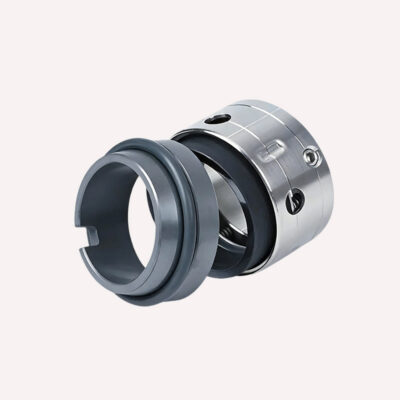
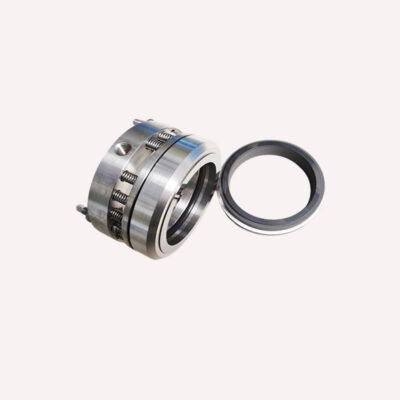
Plan 52 is a system that utilizes an external reservoir as a buffer for non-pressurized double-ended mechanical seals

The primary function of Plan 52 is to capture process-side leakage while preventing contamination from the atmosphere, making it suitable for services where the process fluid must remain isolated. As a result, API Plan 52 is often regarded as a reliable and economical option for dual unpressurized sealing systems, supporting safe and efficient operation in many industrial applications.

Nevertheless, although Plan 52 performs well in low-pressure, non-hazardous services, limitations such as potential process leakage, increased maintenance requirements, and restricted containment capability render it unsuitable for toxic, high-pressure, or critical duties. Careful evaluation is therefore required to confirm its suitability for specific operating and safety conditions.